


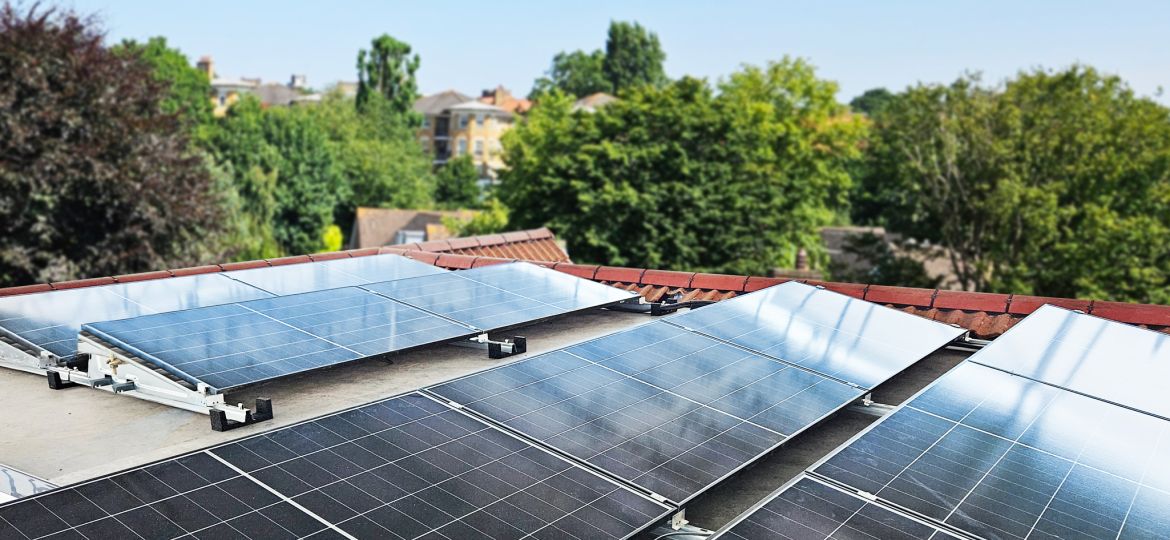
Plug-in solar panels are about to become a more accessible option for UK homeowners, tenants and apartment residents. But while the technology may be simple to connect, the property considerations behind it are not. The bottom line are they safe?
From 27 August 2026, compliant plug-in solar systems will be permitted in the UK, offering a relatively low-cost way of generating electricity from balconies, terraces, gardens and other suitable spaces.
For property owners and managers, however, installing solar should be considered as part of the wider building rather than simply another household appliance.
1. Don’t assume every property is suitable

Before installing a system, consider where the panels will be positioned, how they will be secured and whether the surrounding structure is appropriate.
Balconies, terraces, walls, roofs and external structures can all present different requirements. Particular care is needed around balconies, cladding, fixings and combustible materials.
2. Check the building fabric first
Solar panels may appear lightweight, but their mounting arrangements, wind exposure and method of fixing still need consideration.
Before attaching anything to a wall, balcony or external structure, check its condition. Cracked masonry, deteriorated render, corroded fixings or damaged balcony components should be addressed first.
A solar installation should never be used to mask an existing maintenance problem.

3. Don’t overlook electrical safety
Plug-in solar systems feed generated electricity back into the property’s electrical installation.
That makes the condition of the electrical system important. Older wiring, unsuitable sockets, overloaded circuits or inadequate protection can create unnecessary risks.
A property maintenance or electrical inspection can identify potential issues before installation rather than after a problem occurs.

4. Avoid improvised connections
One of the biggest mistakes is treating a solar system like an ordinary portable electrical appliance.
Extension leads, damaged cables, unsuitable outdoor sockets and makeshift connections should be avoided. The system should be installed and operated exactly in accordance with the manufacturer’s requirements and the applicable regulations.

5. Consider planning and property restrictions
Planning requirements can vary depending on the property and location.
This becomes particularly important for listed buildings, conservation areas, flats and properties within managed developments. Leaseholders and tenants may also need permission from a landlord, freeholder or management company before attaching equipment to communal or external areas.

6. Think about appearance and the surrounding property
For individual houses, a small solar installation may have limited visual impact.
For apartment buildings, managed estates and high-end properties, multiple panels, cables and brackets can quickly become a design and maintenance consideration.
Property managers should consider how installations will affect the appearance of the building and whether a consistent approach is required across the development.

7. Don’t forget ongoing maintenance
Solar panels are relatively low maintenance, but low maintenance does not mean no maintenance.
Panels should be kept free from excessive dirt, debris and obstructions, while brackets, cables and fixings should be periodically checked for deterioration or damage.
Properties near trees, busy roads, farmland or coastal areas may require more frequent attention.

8. Consider the whole property, not just the panels
For landlords and property owners, plug-in solar could form part of a wider programme of energy and property improvements.
Before investing, it may be worth considering other measures such as:
- Improving insulation
- Upgrading windows and doors
- Reviewing heating systems
- Improving lighting efficiency
- Installing smart controls
- Reviewing the property’s electrical infrastructure
- Considering a larger professionally installed solar system
In some properties, these measures may deliver a greater long-term benefit than a small plug-in system alone.

9. Don’t confuse low cost with low responsibility
Plug-in solar makes renewable energy more accessible, particularly for flats, renters and properties without suitable roofs. But the relatively simple installation does not remove the responsibility for looking after the building.
For landlords and property managers, the priority should be safe installation, appropriate permissions, protection of the building fabric and ongoing maintenance.

The BCC view
As the UK moves towards more decentralised energy generation, technologies such as plug-in solar will increasingly become part of everyday property management.
The key is to look beyond the product itself.
A successful installation isn’t simply one that generates electricity — it is one that is safe, appropriate for the property, compliant with the relevant requirements and properly maintained throughout its life.
For homeowners, landlords and property managers, taking a whole-property approach can help ensure that energy improvements deliver long-term benefits without creating avoidable maintenance or safety issues.
A safe approach
Plug-in solar can be a safe and practical way to generate renewable energy when the equipment is compliant, correctly installed and suitable for the property. However, like any electrical or building installation, the risks should not be overlooked.
Poor connections, damaged cables, inadequate fixings, overheating, water ingress or unsuitable mounting locations can create genuine safety and maintenance concerns. The key is not to avoid the technology, but to install it responsibly and consider the building as a whole.
For property owners and managers, a professional check before installation and regular maintenance afterwards can help ensure that the benefits of solar are achieved without compromising the safety, condition or appearance of the property.


